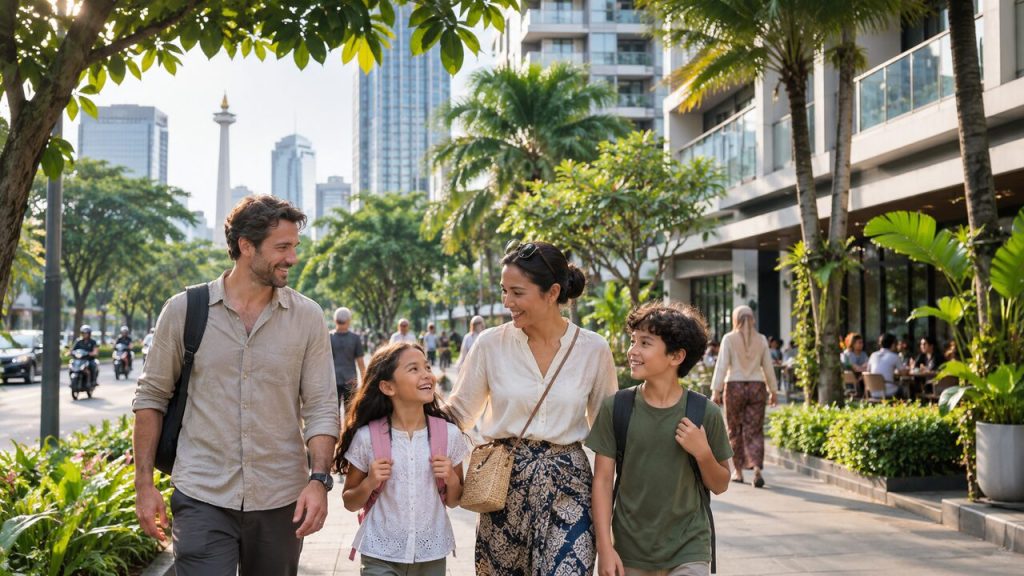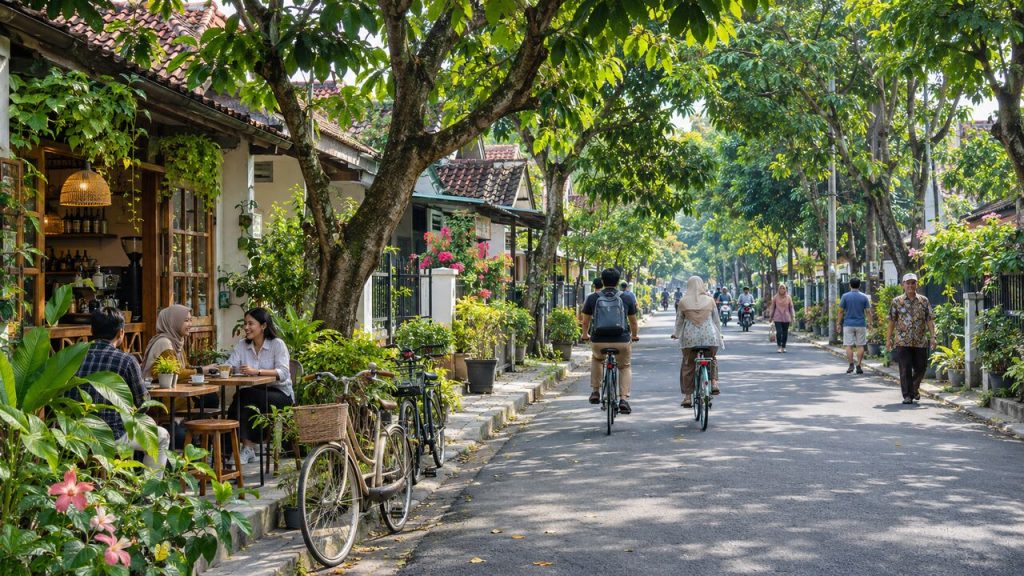
Bali and Yogyakarta are both culturally rich, but neither can be evaluated from a short holiday. Popular Bali districts face tourism-linked rent, congestion and development pressure. Yogyakarta combines education, culture and lower-cost choices, while its international connectivity and specialist services differ.
Choose the neighbourhood, not the brand
Bali contains urban, coastal and rural environments with very different water, traffic and healthcare conditions. Yogyakarta also varies between dense city districts, university areas and quieter northern or southern communities. Inspect flooding, volcanic or seismic awareness, water supply, waste, construction noise and airport journey time.
Income and legal status
Neither destination removes the need for a lawful residence and work basis. Tourism activity can create informal opportunities that are not necessarily permitted for a foreign resident. A lower rent should not encourage an unsuitable nominee, visa or employment arrangement.
Interactive planning tool
Country decision scorecard
Rate each factor from 1 (weak) to 5 (excellent), then choose how important it is to your household.
Scores organize your priorities; they do not determine visa eligibility, tax residence or legal permission to work.
Trial before commitment
Rent through an ordinary working month, including rainy weather if possible. Visit the hospital, test the commute, work on the actual internet connection and price the household’s normal groceries. The correct long-term choice is the one that still functions after the holiday atmosphere disappears.
Editorial note: figures are planning benchmarks reviewed in November 2026. Verify eligibility, fees and tax treatment with the responsible authority before acting.
Test the exact neighbourhood, not the city reputation
Citywide averages hide the difference between districts. Before committing, map the repeated journeys to school, hospital, work, worship, groceries and the airport. Visit after rain and during peak traffic. Record internet options, drainage, water, noise, shade and construction nearby. A slightly higher rent can be rational when it returns several family hours every week.
A useful field test
Rent for four ordinary weeks, keep a daily travel and spending log, and speak with residents who are not selling property or relocation services. Repeat the budget with international school, private insurance and two urgent trips included.
Worked example: compare one ordinary Tuesday
Use the same household and income in every country. Price a suitable home, school or workspace, insurance, transport, food, compliance and two annual trips. Then describe an ordinary weekday hour by hour. The place that wins on rent can lose through commuting, unreliable administration or weak legal status; the expensive city may recover value through time and predictable services. Keep the comparison dated and revisit it after a trial stay.
How to make a fair country comparison
Country rankings are starting points, not decisions. Compare the legal route first, because a low-cost lifestyle is irrelevant when the intended work or residence cannot be maintained. Then compare one complete household standard: similar housing quality, school type, healthcare expectation, transport and international travel.
Use city-level evidence. Indonesia alone contains global-business districts, industrial cities, tourism markets, cooler highlands and remote islands. Malaysia, Thailand and Vietnam have similar internal differences. A country average can hide the neighbourhood conditions that shape every weekday.
Build three scenarios
The base case should reflect normal income and spending. The stress case adds a medical event, currency decline or job interruption. The exit case estimates the cost and time needed to leave a lease, close or maintain a company, move children and relocate possessions. Good decisions survive all three.
Visit as a resident
Stay in an ordinary home, travel at peak hour, buy groceries, test internet, visit schools and hospitals and experience rain or heat. Speak with residents who are not selling property, visas or relocation services. Keep written observations so a pleasant holiday mood does not replace evidence.
Decision checklist
- Legal residence and permission for the actual activity.
- Total annual cost including school, insurance and compliance.
- Healthcare access for predictable and emergency needs.
- Time lost to transport and administration.
- Climate, pollution, flooding and long-term resilience.
- Community, language and family support.
Numbers to put into your planning sheet
| Item | Planning figure | How to use it |
|---|---|---|
| Jakarta 1-bedroom centre | Roughly IDR 7–12 million/month | Planning estimate; premium compounds can be much higher |
| Surabaya family lifestyle | Roughly IDR 18–40 million/month | Illustrative range excluding international school and major medical events |
| Emergency reserve | 6–12 months of core spending | Keep accessible and separate from property or company capital |
Estimates are dated November 2026 and are deliberately shown as ranges. Schooling, insurance, nationality, neighbourhood and lifestyle can change the result materially.